The most dangerous moment for an organization isn’t the day of the breach—it is the days, weeks, and months after.
While the incident response (IR) team may have successfully "contained" the threat and issued a clean bill of health, the adversary is often just beginning their second act.
The average dwell time for an attacker to re-use stolen credentials or leverage weaponized trust from a previous breach is roughly 6 months (opens in new tab). In fact, organizations that have suffered a breach are 3X more likely to be targeted again within a year.
If your post-breach strategy is simply closing the hole that the attacker used, you are playing a losing game of whack-a-mole.
To survive the post-breach window of vulnerability, you must pivot from a defensive crouch to one anchored by unified Social Engineering Defense (SED).
The Adversary’s Long Game
The post-breach lull is a calculated tactic.
Once an attacker has exfiltrated data (be it employee LinkedIn profiles, internal org charts, or customer emails), they wait for the alert fatigue to set in.
By then, the SOC has usually returned to baseline operations. The urgency of the "lessons learned” report has faded.
Later, the attacker strikes again, but this time they don't need an exploit. They use the currency of trust they harvested during the first breach.
- Credential Re-use: Even if passwords were reset, the personal data harvested allows for hyper-personalized vishing (voice phishing) targeting the IT help desk.
- Multi-Channel Pivot: An attacker who previously gained access via email may now target the same executives on Telegram or WhatsApp, using context-aware lures based on internal documents stolen months prior.
- Cost Efficiency: For the attacker, the re-entry cost has dropped by 95% (opens in new tab), while the organization’s defensive costs remain high and fragmented.
Stop Playing Whack-a-Mole
Most legacy security programs are built on the perimeter myth—the idea that if we build a high enough wall, we are safe.
Here’s the hard truth: You need to accept that technical controls will eventually be bypassed by a sophisticated, AI-equipped adversary.
You don't just ask "How do we stop them?" You ask, "How do we ensure that when they are inside, they cannot scale?"
Capability | Legacy | Social Engineering Defense (SED) |
Remediation | Point-in-time patching of the specific exploit used. | Continuous validation using AI to hunt for infrastructure pivots. |
Operational Structure | Siloed recovery; SOC handles the network while HR handles people. | Unified platform linking technical signals to the human perimeter. |
Training | Static, scheduled SAT (e.g., "don't click" videos). | Threat-informed simulations using actual data from recent lures. |
Detection Speed | Manual triage of typosquatted domains and fake profiles. | Autonomous disruption and takedowns at machine speed. |
The Social Engineering Attack Chain: Phase 2
After a breach, the social engineering attack chain becomes significantly more efficient.
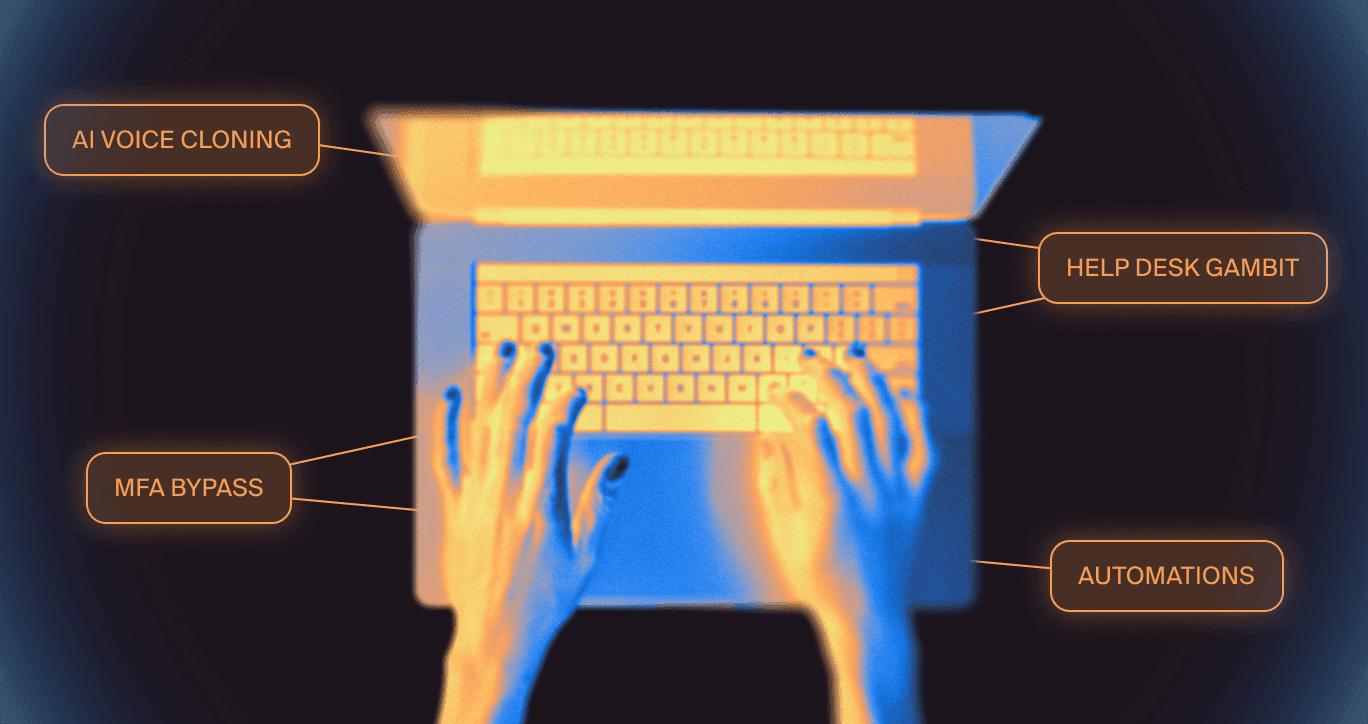
Attackers exploit high-stress situations, such as the credential-reset phase of a recovery. A common tactic involves AI voice cloning to impersonate a frustrated executive who "still can't get into their account" after a mandatory reset.
Because the help desk is overwhelmed with legitimate tickets, analysts are 45% (opens in new tab) more likely to bypass protocol to resolve the call quickly.
To disrupt this chain, organizations need a real-time Threat Graph that does more than just watch for suspicious emails. Instead, it monitors the infrastructure of deception.
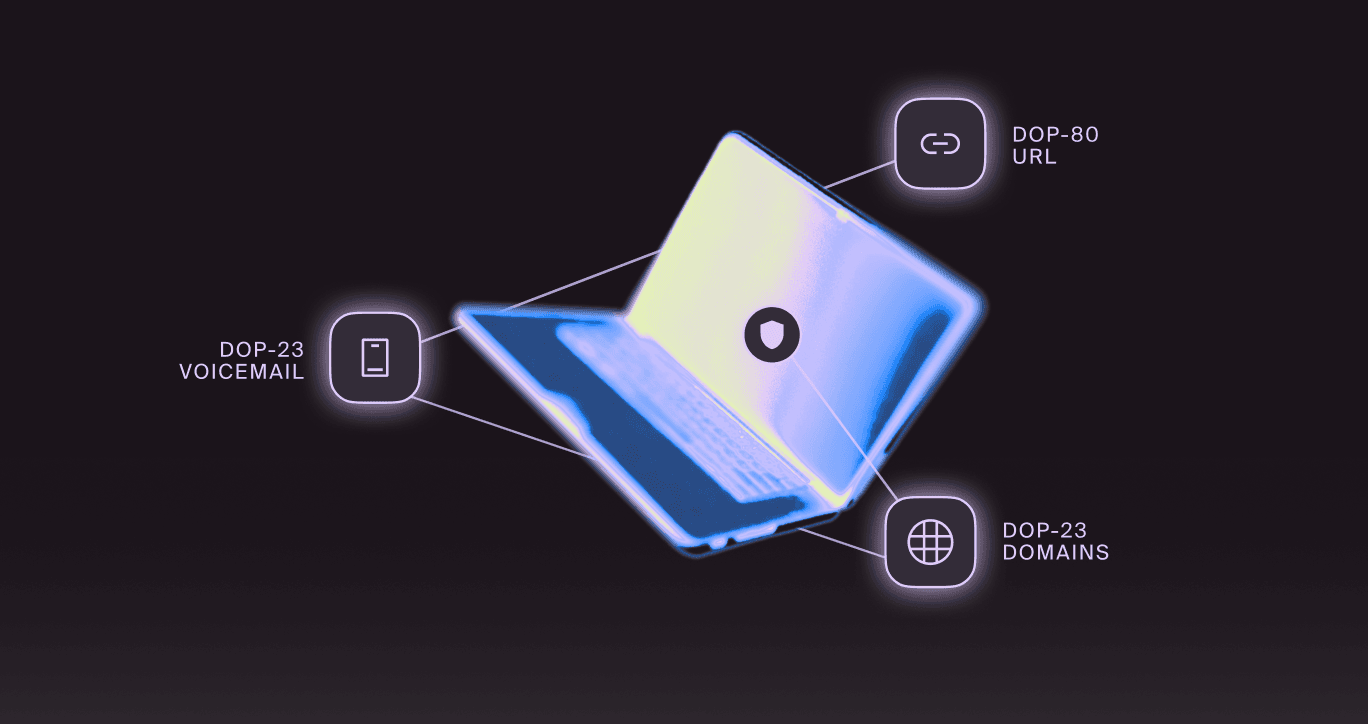
If a fake password reset portal is spun up on a typosquatted domain, an SED platform identifies it, links it to previous campaign clusters, and initiates a multi-channel takedown before the first help desk call is even made.
Closing the Loop: Human Risk Management (HRM)
The final step of your post-breach recovery is transforming your workforce from a liability into a human sensor network.
Instead of traditional Security Awareness Training (SAT), which has failed to prevent the 1,000% (opens in new tab)increase in phishing volume, Doppel HRM uses live intelligence.
We take the specific lures used in your recent breach and turn them into safe, multi-channel simulations. This behavioral hardening ensures that if an attacker tries to use a stolen invoice or a cloned voice again, your employees recognize the pattern and report it instantly.
Resist. Don’t Just Recover
The goal of post-breach recovery isn't to return to the status quo. The status quo is what got you breached.
The goal is to build a Social Engineering Defense that is so fast and so comprehensive that the attacker’s economics of deception no longer work.
If you are within that post-breach window, or if you want to ensure you never enter it, it’s time to move beyond legacy tools.
Schedule a demo to see how Doppel’s AI-native platform can audit your post-breach risk and dismantle the infrastructure currently targeting your organization.