Trust is the most expensive currency in the world. It’s the invisible glue that allows a CFO to approve an urgent wire transfer, a developer to share a codebase with a peer, and a help desk analyst to reset a password for a frustrated executive.
But in the age of AI-native social engineering attacks, it’s also a weapon. Attackers aren’t just hacking software. They’re hacking the human condition, too.
Calling employees the “weakest link” and shaming them for falling victim to phishing attacks doesn’t help, though. Yet that’s what the cybersecurity industry has done for too long.
Let’s shift the narrative from employee blame to social engineering defense (SED). It’s a model in which technology detects, maps, and disrupts attack attempts while supporting employees through modern training and simulations.
Economy of Empathy: Why We Click
The doom-and-gloom narrative around cybersecurity ignores this: Cybercriminals are successful because they’re excellent students of human psychology. They exploit high-stress situations, like IT password resets, or weaponize the sense of urgency found in a text from what appears to be a senior leader.
Generative AI shifted the economics of social engineering:
When an attacker uses a deepfake voice clone of a CEO to pressure a help desk analyst, they’re looking for the moment a person can be convinced to bypass protocol.
And it works. The median time to click after opening a phishing lure is just 21 seconds, and the total time to compromise is less than 60 seconds.
Compliance Checkboxes Always Fail
In response to this psychological siege, the cybersecurity industry answered with legacy security awareness training (SAT). It usually consists of an annual, 45-minute video that employees watch at 2x speed while answering emails or chatting with a co-worker.
Legacy SAT creates a compliance illusion. It satisfies auditors, but it fails to reduce risk. In fact, users with recent training report simulated attacks at a higher rate, but the median user still clicks around 1.5% (opens in new tab) of simulated phishing attempts.
The problem with legacy security awareness training and siloed phishing simulations is three-fold:
- Static Campaigns: Legacy SAT uses outdated templates that fail to reflect modern, AI-powered threats.
- Vanity Metrics: Legacy SAT focuses on click rates, ignoring the actual resilience of privileged users.
- Cultural Friction: Legacy SAT’s punitive ‘gotcha’ phishing simulations destroy the psychological safety required for a resilient security culture.
3 Ways Social Engineering Defense (SED) Protects Employees
Human trust is the primary attack surface, so social engineering defense needs to be the primary infrastructure behind any human risk management (HRM) strategy. SED is designed to outpace the attacker's economics by dismantling their infrastructure before it ever reaches a human.
Think of it as a ‘scapegoat’ strategy: You’re taking the burden of perfect vigilance off employees’ shoulders and placing it on an AI-native social engineering defense platform, like Doppel.
Here’s what a comprehensive SED framework includes.
#1. Dismantling the Infrastructure
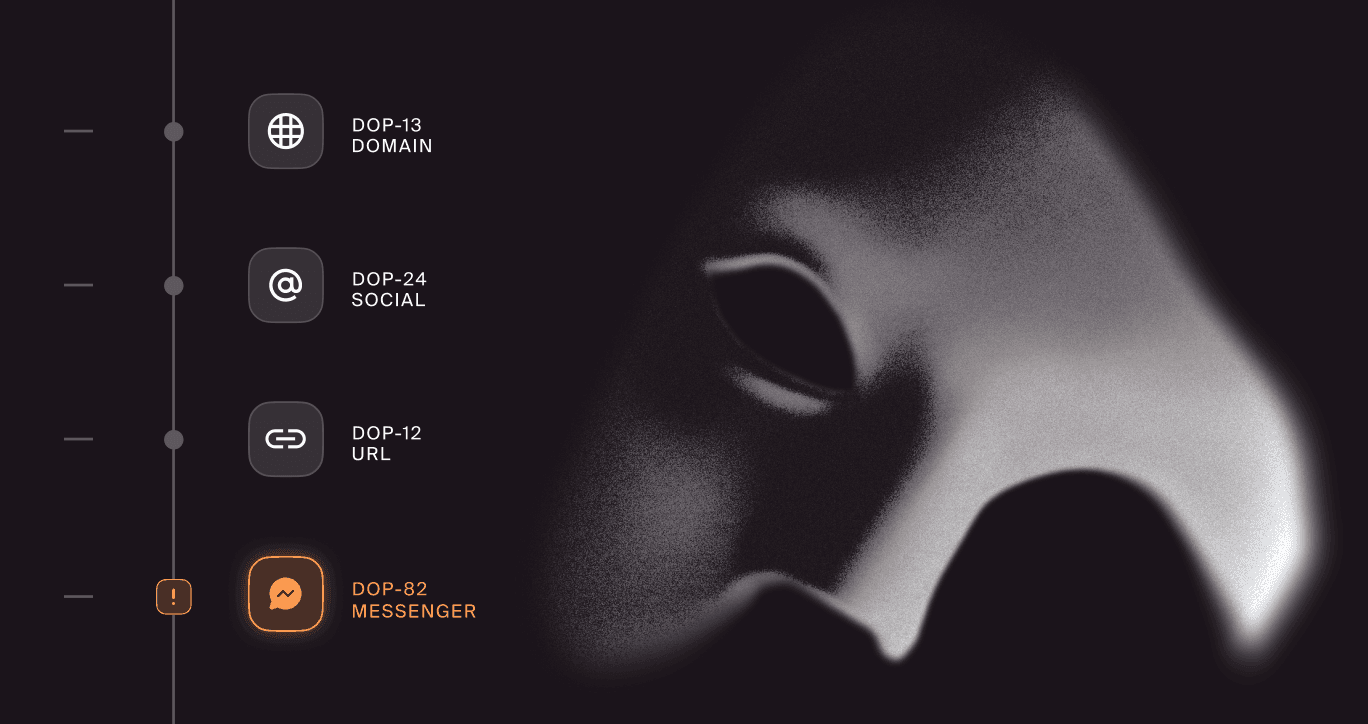
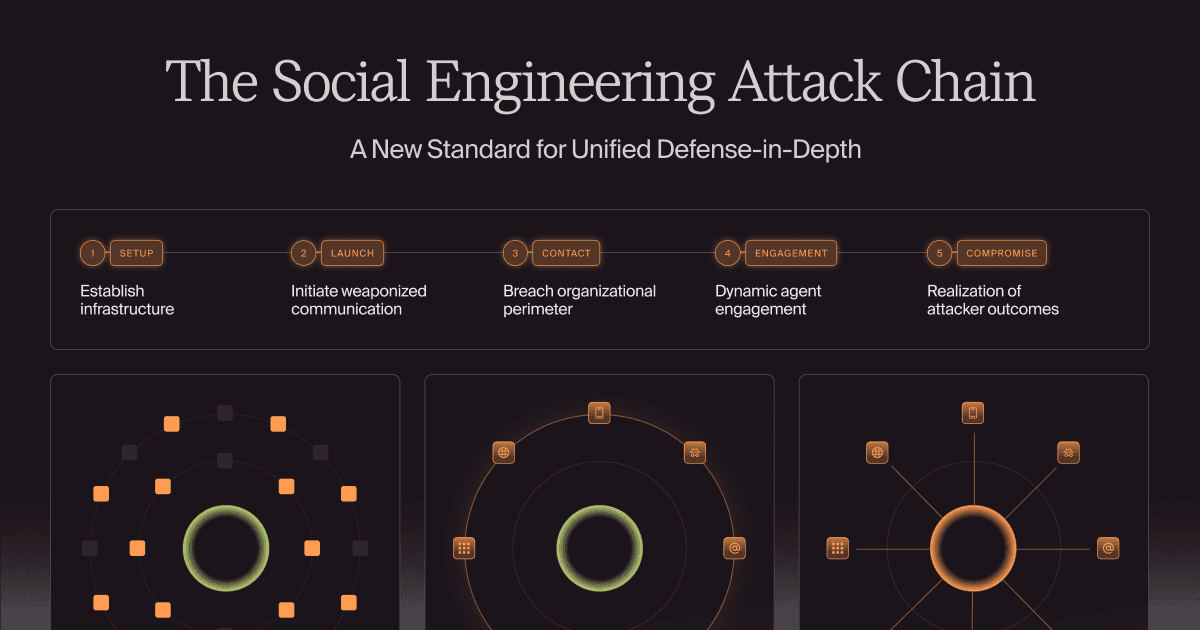
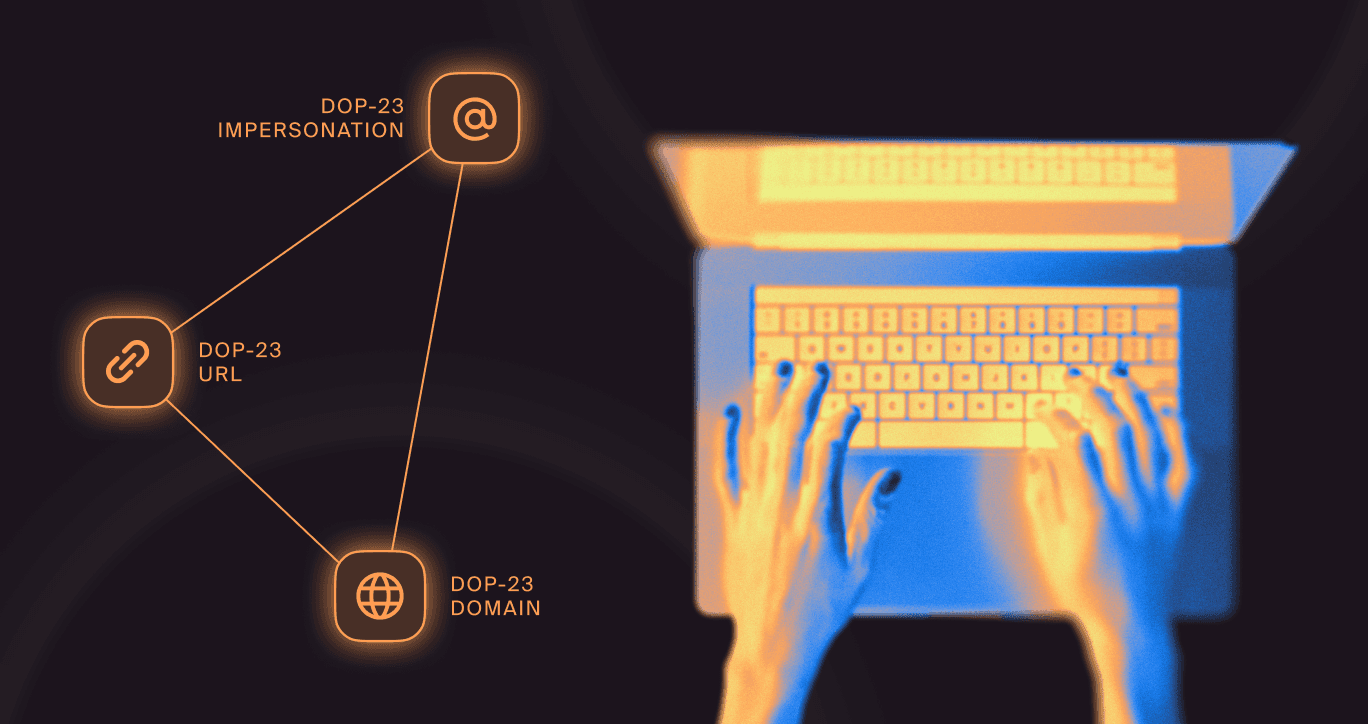
Social engineering defense detects and links threats across domains, social media, digital ads, telecommunications, and more. This means you’re uncovering entire campaigns well before they ever reach an employee. But when a malicious link reaches an employee, they’re fully prepared with SAT built around real-world attacks.
#2. Multi-Channel Resilience
Attackers don’t stay in the inbox. In 2026, they ‘channel hop’ between SMS, voice calls, WhatsApp, LinkedIn, and other communication channels. Your social engineering defense strategy should strengthen employee awareness and response across these exact same unmanaged channels, testing resilience where technical controls are often left behind.
The most effective way to protect employees is to train them on the actual threats targeting the organization. Turn live alerts into just-in-time simulations so your security team can create a self-healing culture where defense-in-depth is powered by real-world threat intelligence.
What Human-Centric Defense Looks Like in 2026
Moving away from doom-and-gloom means acknowledging that your employees are your entire attack surface. But with a focus on human risk management, they become your most resilient defense layer.
A modern HRM program should be:
- Role-Based: Match the simulation target, such as GitHub lures for developers and invoice fraud for finance.
- Empathetic: Reward reporting through leaderboards instead of shaming failures.
- Continuous: Use frequent, highly relevant micro-learnings and simulations that mirror current attacker tactics.
Protecting What’s Real
Cybersecurity is tasked with preserving the digital trust required for your organization to operate.
Doppel closes the loop on social engineering by synchronizing infrastructure disruption with behavioral modeling. In doing so, the platform outpaces the velocity of AI-powered attacks. It also scales your protection without requiring you to grow the SOC’s headcount, allowing your security team to focus on strategic oversight while Doppel’s AI agents handle the tactical warfare.
Stop treating your employees as a liability. Start equipping them to be the final (and strongest) layer of your defense.
Schedule a demo to see how Doppel’s AI-native social engineering defense platform disrupts attacker ROI and hardens your human-centric defense.