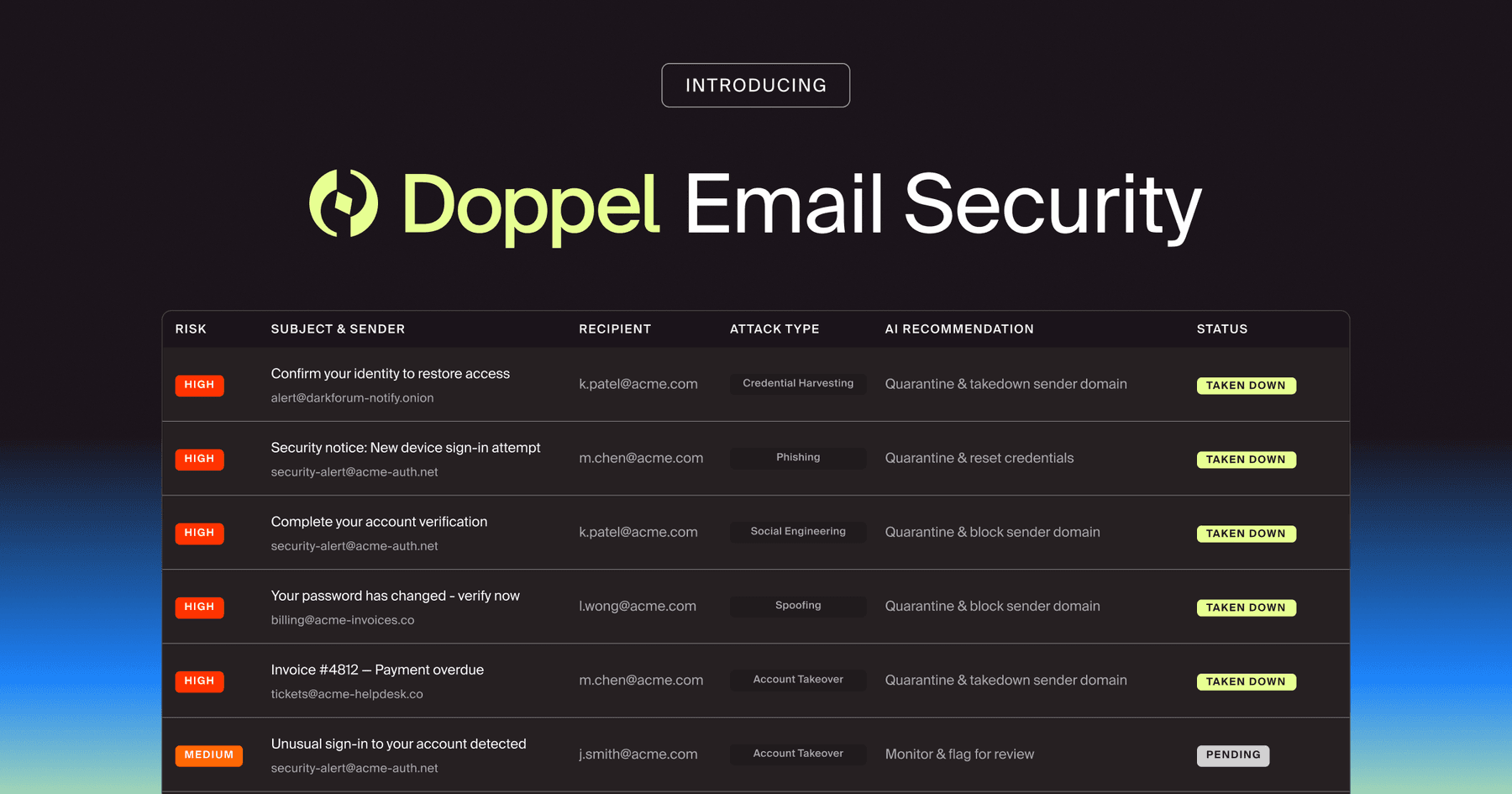
Doppel Email Security is now generally available
The agentic email security solution that empowers you to fight back against social engineering attacks. Detection isn't enough. Disruption is the difference.
Brand impersonation hits marketing and security at the same time. See how Doppel helps both teams catch and dismantle attacks before customer trust erodes.
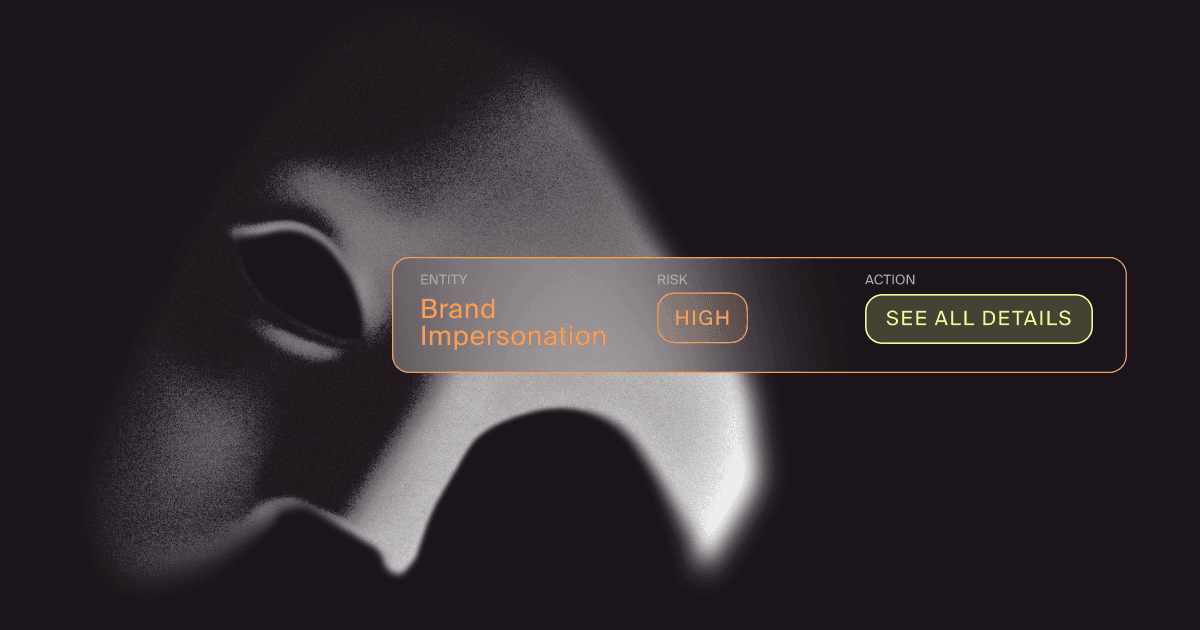
Every brand impersonation attack tells a few different stories at once.
To a security team, it's rogue external infrastructure. They see lookalike domains, malicious payloads, and credential-harvesting phishing kits targeting the brand perimeter from the outside.
To a brand and marketing team, it's a fake app draining customer trust, a spoofed ad running under the company logo, or a cloned profile DMing loyal followers with a "too good to be true" offer.
Most organizations still treat these as separate problems, owned by separate teams and tracked in separate spreadsheets. But that split doesn't hold up anymore.
We'll cover:
From the marketing side, an increasing risk with AI-generated cyberattacks is brand erosion.
Fake websites, scam ads, cloned apps, and impersonated social accounts dilute brand equity and confuse customers, often before anyone internally even knows the campaign exists. Marketers invest serious time and resources in building their brand, and it doesn’t take long for a nefarious attack to impact that brand. And if an attack happens, marketers are not often equipped with the resources to do anything about it.
Manual takedown requests are slow, and most social media or brand monitoring tools can flag abuse without ever removing it. Marketers at companies around the world lean on security teams or legal teams to support escalating trademark infringement, fraudulent websites, or fake merchandise.
From the security side, the risk is the same attacker infrastructure showing up earlier and wider than expected: the domain that got registered weeks before it went live, the kit that's already been reused against other brands, the campaign that's spreading across surfaces faster than it can be triaged manually.
It's the same attacker infrastructure. But two different approaches.
It's also worth being specific about why this has gotten harder, not just different. Generative AI has collapsed the cost of running a convincing scam. A cloned site, a deepfaked voice, and a hyper-personalized phishing message are now cheap enough to run at volume against thousands of companies at once.
And attackers don't stay on one surface. The same campaign might start as a lookalike domain registered weeks in advance quietly, then show up as a paid search ad, then as a fake profile sliding into DMs, then as a scam text. Chase it channel by channel, and you'll always stay a step behind.
The only way to actually get ahead of it is to catch the setup, i.e., the domain registration, the app store submission, before the campaign ever goes live, and to treat everything downstream as one adversary, not a dozen unrelated tickets.
Doppel's brand protection model is built around moving from reaction to resolution before trust is lost.
The result: marketing can point to a system actively defending brand reputation, instead of playing catch-up on customer complaints and paying inflated CAC every time a scam campaign gets a head start.
For security, the value is in acting on the setup, not just the incident.
Security and marketing teams both benefit from the same platform. Doppel’s Social Engineering Defense Platform builds a real-time threat graph connecting attacker infrastructure, tactics, and active campaigns.
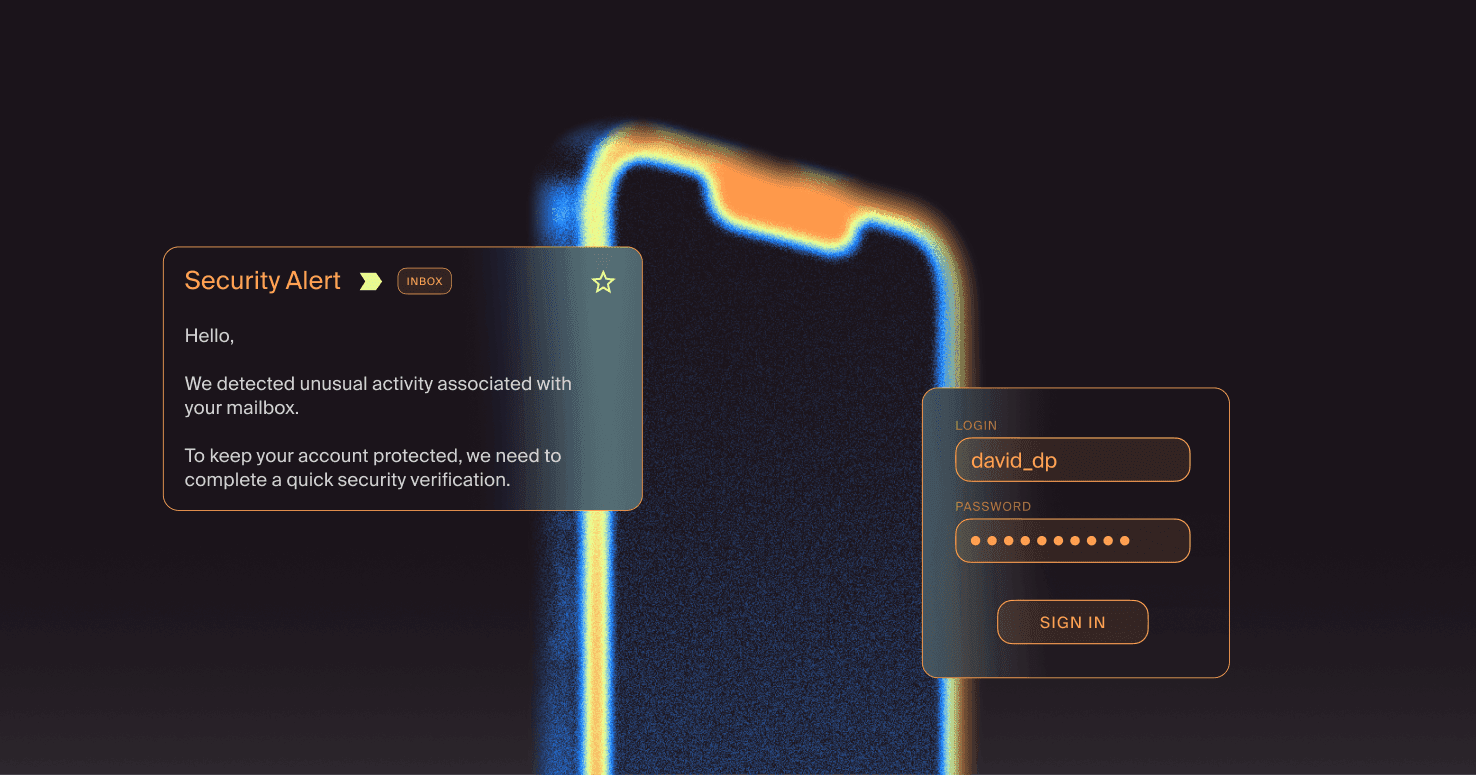
Rather than treating each fake site or scam ad as an isolated incident, Doppel Vision correlates signals across surfaces (fake personas, SEO poisoning, vishing, deepfakes, scam texts, and more) into a single picture of the campaign behind them, then acts on it. It disrupts infrastructure at the registrar, platform, or telco level, with a feedback loop that makes the next takedown faster.
That architecture is precisely why Doppel functions as connective tissue between marketing and security rather than a tool bolted onto one team. The detection marketing needs to protect brand equity and the early signal security needs to get ahead of an attack coming from the same pipeline, just surfaced differently depending on who's asking.
Marketing and security have traditionally divided this kind of work. Security would flag infrastructure once it surfaced, and marketing would manage damage control once public trust was hit.
While those responsibilities haven't vanished, relying solely on reactive tactics is no longer enough in the era of generative AI.
That's really the shift underneath all of this: Impersonation attacks aren't staying contained to one department, and they're not slowing down.
The teams that get ahead of this aren't waiting for the next incident to figure out who owns the response. They're looking at their exposure now, together, before a fake domain or a spoofed ad forces the conversation.
We're talking with more companies every week who see the value of one platform across marketing and security, and we'd love to show you, too. Book a demo with Doppel, bring both teams to the same call, and see it work against a real threat surface.